What is the ULEZ (Ultra Low Emissions Zone)
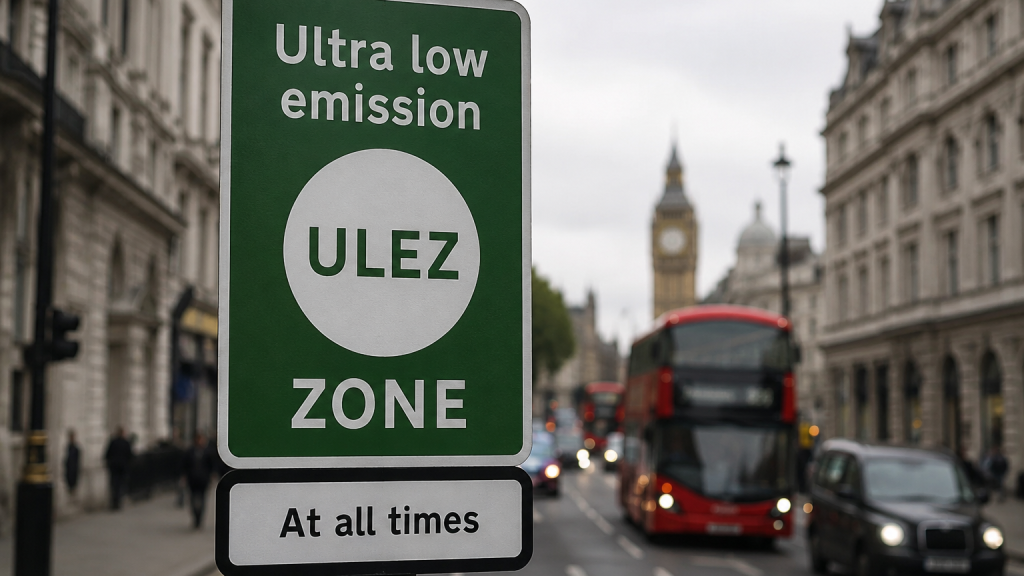

If you drive an older car in or around London, you may already have encountered the Ultra Low Emission Zone, better known as the ULEZ. The scheme is designed to reduce harmful vehicle emissions by requiring cars and other vehicles travelling within the zone to meet minimum emissions standards.
Contents
If you drive an older car in or around London, you may already have encountered the Ultra Low Emission Zone, better known as the ULEZ. The scheme is designed to reduce harmful vehicle emissions by requiring cars and other vehicles travelling within the zone to meet minimum emissions standards.
For owners of older cars, understanding the ULEZ rules is particularly important. A vehicle can still be perfectly roadworthy, have a valid MOT and be legally taxed while not meeting the required ULEZ emissions standard.
The Ultra Low Emission Zone is an emissions charging zone covering all London boroughs. It operates across every London borough and the City of London, although the M25 itself is not included within the zone.
Unlike the Congestion Charge, which applies to a much smaller area of central London, the ULEZ covers a large part of Greater London.
The zone operates 24 hours a day, every day of the year except Christmas Day. The charge is based on the day you drive, running from midnight to midnight.
If your vehicle meets the required emissions standard, there is no ULEZ charge to pay. If it does not meet the standard and is not exempt, you will normally need to pay the daily charge when driving within the zone.
The current ULEZ daily charge for a vehicle that does not meet the required emissions standards is £12.50 per day.
This applies to affected cars as well as smaller vehicles including motorcycles, vans and specialist vehicles up to certain weight limits.
The ULEZ charge is separate from other London driving charges. Depending on where and when you travel, you could potentially also be liable for charges such as the London Congestion Charge.
Importantly, the ULEZ is a daily charge rather than a one-off fee for entering the zone. If you drive an affected vehicle within the ULEZ on multiple days, you may need to pay the charge for each individual day.
ULEZ compliance is determined primarily by a vehicle's recorded emissions and emissions standard rather than simply its age.
As a general guide, the minimum standards for most cars are:
Petrol cars: Euro 4
Diesel cars: Euro 6
Many petrol cars registered from around 2005 onwards meet the Euro 4 standard, although some earlier vehicles may also qualify.
For diesel cars, the rules tend to have a greater impact on relatively newer vehicles because the required Euro 6 standard was introduced later. As a general guide, many diesel cars registered from around September 2015 meet the required standard.
These dates should only be treated as a guide. Two vehicles of a similar age can have different emissions classifications, so the safest option is always to check the specific registration of the vehicle you intend to drive.
No. The age of a car alone does not automatically determine whether you have to pay.
Some older petrol vehicles already meet the required Euro 4 emissions standard, while certain vehicles may qualify for exemptions or special arrangements.
Historic vehicles can also be treated differently. Vehicles that qualify for the historic vehicle tax class may be exempt from the ULEZ charge, subject to the applicable rules and registration requirements.
This means you should not assume that an older vehicle is automatically non-compliant simply because of its registration year.
The ULEZ covers all London boroughs and the City of London, extending broadly to the Greater London boundary.
This includes large areas of north, south, east and west London that were previously outside the original central London ULEZ.
The M25 motorway is not part of the ULEZ. However, journeys that leave the motorway and enter roads within Greater London may take you into the zone.
If you regularly travel towards London from surrounding counties such as Hertfordshire, Essex, Kent, Surrey or Buckinghamshire, it is worth checking your route as well as your vehicle before travelling.
Road signs indicate when you are entering the ULEZ, but there are no physical barriers or toll booths. Vehicle number plates are monitored using cameras throughout the zone.
The ULEZ charge generally applies when you drive a non-compliant vehicle within the zone.
If your car is parked within the ULEZ but is not driven on a particular day, you do not normally need to pay the ULEZ charge for that day.
However, even a short journey within the zone can make the daily charge applicable.
Owners of older diesel cars are among the drivers most likely to be affected by the ULEZ rules.
A diesel car may still be reliable, economical and capable of passing its MOT while failing to meet the Euro 6 emissions standard required by the ULEZ.
If you only occasionally travel into London, paying the £12.50 charge when required may be more economical than replacing your vehicle. For frequent journeys, however, the cost can quickly accumulate.
For example, driving a non-compliant car within the ULEZ five days a week could result in more than £60 in ULEZ charges each week, before considering fuel, parking or any other applicable London road charges.
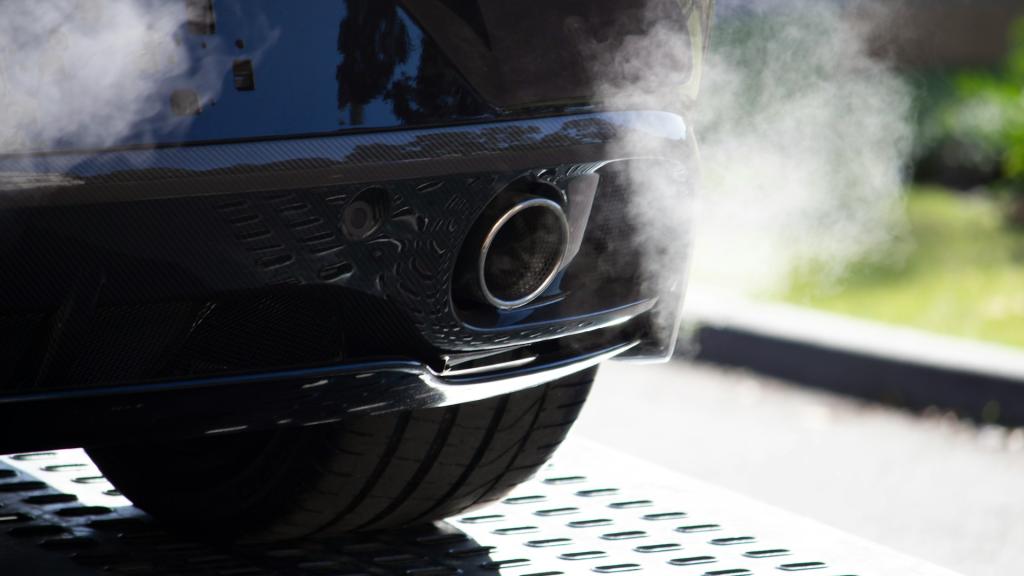
The easiest way to find out whether your car is likely to be affected is to check the vehicle using its registration number.
A vehicle-specific check is more reliable than estimating compliance from the car's age alone. This is particularly important for vehicles registered around the introduction dates of different Euro emissions standards.
Owning an older car does not necessarily mean you need to replace it because of the ULEZ. The right decision depends largely on how frequently you drive within London.
If you rarely enter the zone, paying the occasional daily charge may be the simplest option. If you regularly commute or travel within Greater London, switching to a compliant vehicle could make more financial sense over the longer term.
Before making any decisions, check your vehicle's individual ULEZ status and consider how often you are likely to drive within the affected area.
The ULEZ now covers a substantial area of Greater London, making it increasingly important for drivers of older vehicles to understand whether their car meets the required emissions standards.
As a general rule, most petrol cars need to meet Euro 4 standards and most diesel cars need to meet Euro 6 standards. However, age alone does not determine compliance.
The quickest way to know where you stand is to check your individual vehicle before travelling.
Knowing your vehicle's status in advance can help you plan your journey, understand any potential charges and avoid unexpected costs when driving in London.